 Marine dredging, a vital process in the maritime industry, plays a significant role in maintaining and improving waterways, ports, and coastal areas around the world. It involves the excavation and removal of sediment, silt, and debris from the seabed, enabling safe navigation, land reclamation, and environmental restoration. This article explores the intricacies of marine dredging, its various methods, applications, and its importance in shaping our coastal environments.
At its core, marine dredging involves the removal of accumulated sediment from the seabed or riverbed. Over time, rivers deposit silt, sand, and other materials, which can reduce water depth, impede navigation, and cause coastal erosion. Similarly, sedimentation in ports and harbors can hinder shipping activities, limit vessel access, and affect port infrastructure. Marine dredging addresses these challenges by removing excess sediment and maintaining the required water depth for safe navigation.
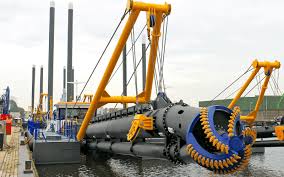
The process of marine dredging utilizes specialized equipment known as dredgers. These powerful vessels are equipped with various mechanisms for excavation and sediment removal. The most common type of dredger is the trailing suction hopper dredger (TSHD). TSHDs employ suction pipes and pumps to draw in sediment from the seabed, store it in large onboard hoppers, and transport it to designated disposal sites. Other types of dredgers include cutter suction dredgers, bucket dredgers, and bed levelers, each suited for specific dredging requirements.
Marine dredging at St. Petersburg Dock Builder serves multiple purposes across different sectors. In the shipping industry, maintaining navigable channels is crucial for ensuring the safe passage of vessels. Dredging operations deepen and widen shipping lanes, allowing larger ships to enter ports and facilitating efficient trade. Additionally, dredging plays a pivotal role in the construction of new ports and the expansion or maintenance of existing ones, enabling them to accommodate increasing maritime traffic and larger vessel sizes.
Coastal areas also benefit from marine dredging. Beach nourishment, a process that involves depositing sediment onto eroded shorelines, helps to combat coastal erosion and restore beaches. Dredging operations gather suitable sediment from offshore locations and deposit it along vulnerable coastlines, enhancing coastal protection and recreational opportunities. Furthermore, dredging is utilized for land reclamation projects, where sediment is dredged and placed in designated areas to create new land for urban development, industrial facilities, or environmental conservation.
Environmental considerations are an integral part of modern marine dredging practices. Dredging activities are subject to stringent regulations to minimize potential ecological impacts. Environmental assessments and monitoring are conducted to ensure the protection of marine habitats, water quality, and the proper disposal of dredged material. In some cases, the dredged sediment is beneficially reused, such as for wetland restoration, habitat creation, or land reclamation projects, minimizing waste and supporting ecological sustainability.
In conclusion, marine dredging is a vital process that shapes our coastal environments and ensures the smooth functioning of maritime activities. By removing sediment and maintaining water depths, dredging operations facilitate safe navigation for ships, enhance port infrastructure, and protect coastal areas from erosion. It plays a crucial role in the construction and expansion of ports, land reclamation projects, and environmental restoration efforts. With careful attention to environmental considerations, marine dredging continues to serve as an essential tool for maintaining and improving our waterways, harbors, and coastlines, supporting global trade, and preserving the natural beauty of our marine ecosystems.